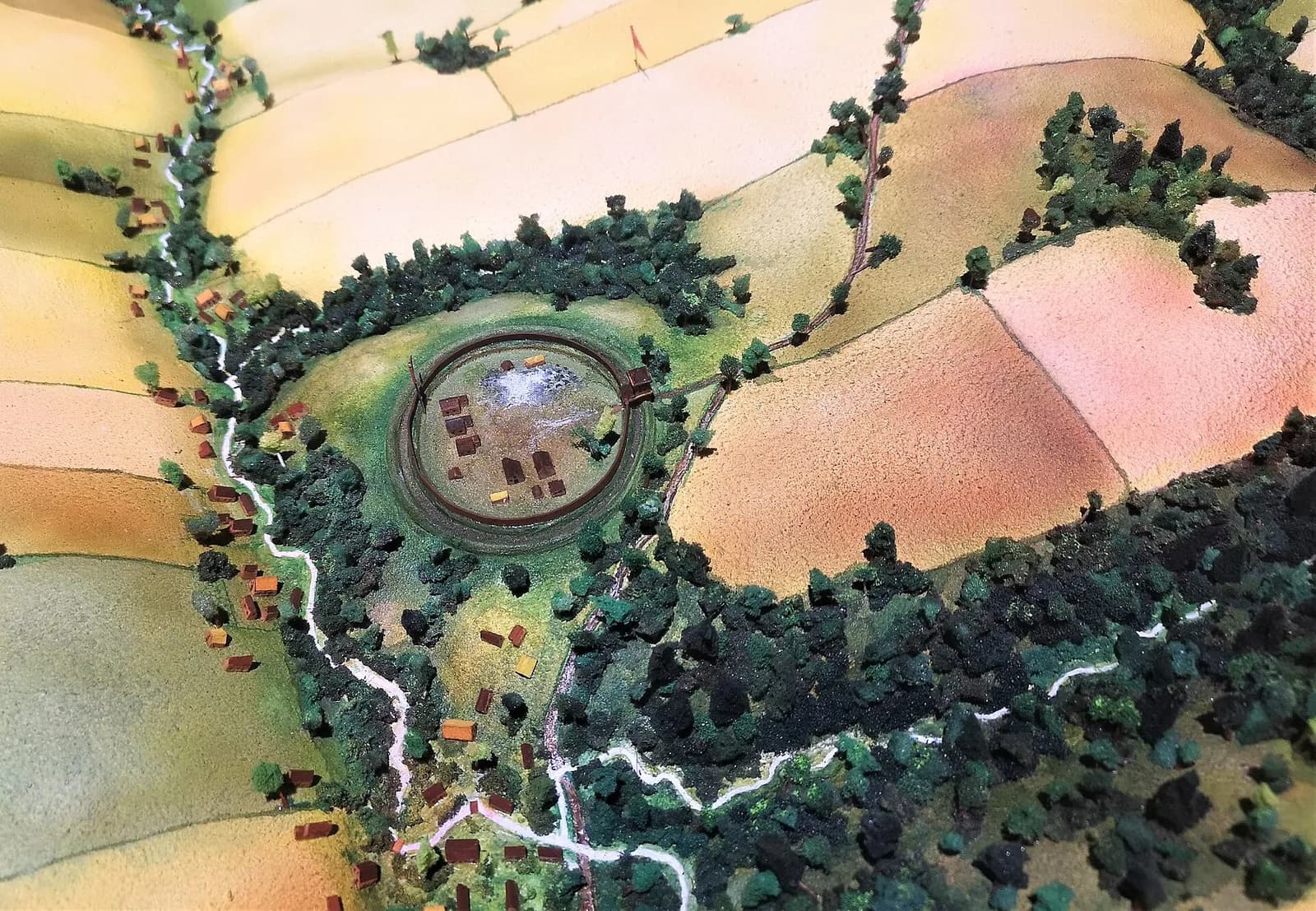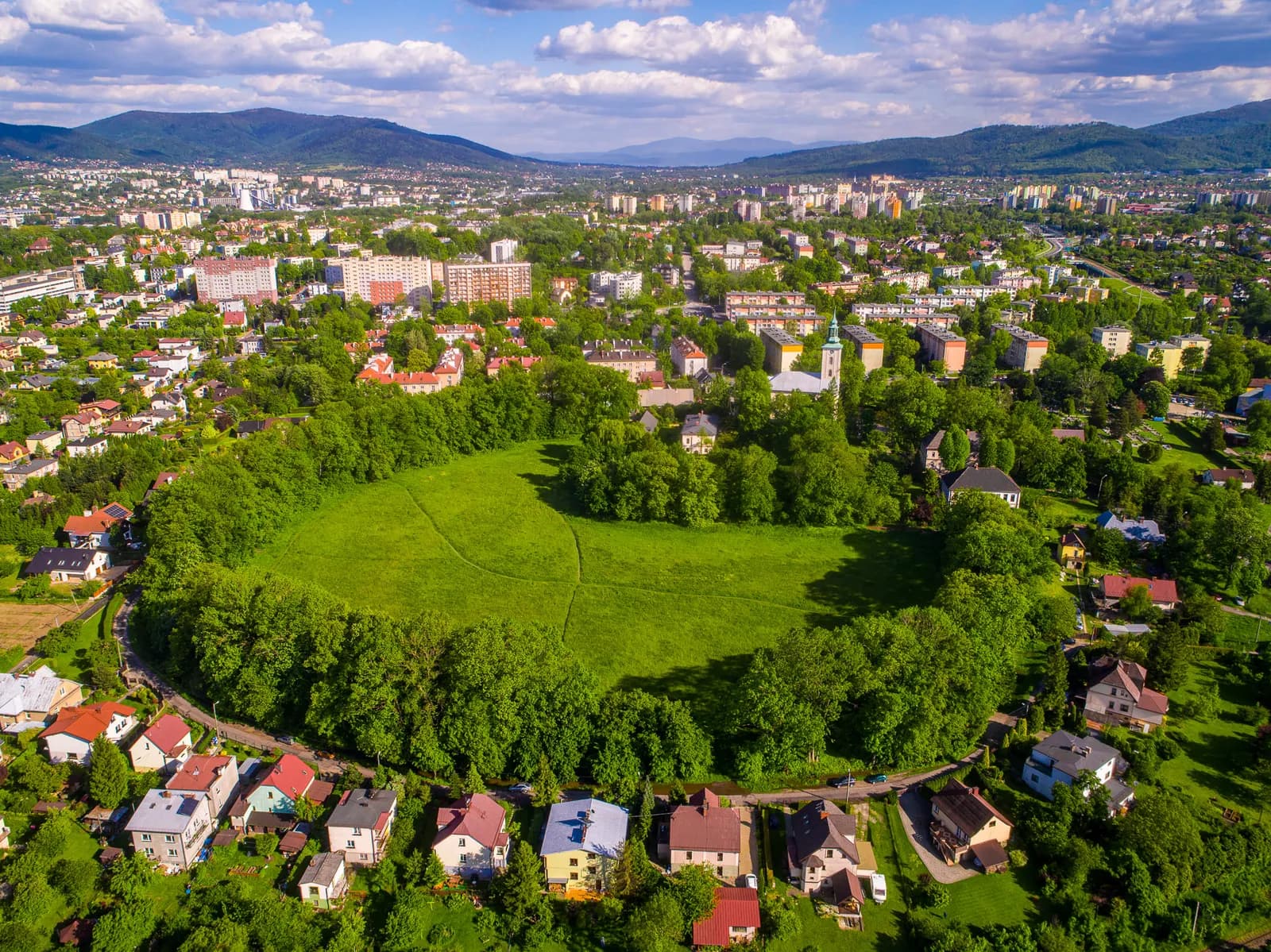
Long before Bielsko and Biała grew into the vibrant city we know today, a fortified settlement stood on a wooded hill in what is now the Stare Bielsko district. The Grodzisko, dating from the 12th to the late 14th century, is recognised as the oldest known archaeological site within modern Bielsko-Biała. While excavations have revealed evidence of skilled craftspeople, ironworkers and farmers who once lived behind its timber and earth defences, centuries of abandonment gave rise to something just as enduring, its legends.
Today, visitors walking the peaceful woodland paths can still make out the circular earth ramparts that once protected the settlement. Their quiet appearance invites the imagination, and for generations, local people created stories to explain who built them, why they were abandoned and what secrets might still lie beneath the soil.
When the Swedes Took the Blame
One of the most enduring stories is also the easiest to explain. The nearby road known as Wał Szwedzki, or Swedish Rampart, reflects a belief that the earthworks were built by Swedish soldiers during the seventeenth-century Swedish Deluge.
The tale became widely accepted because the impressive embankments looked like military fortifications, while the original wooden structures had long since disappeared. Across southern Poland, memories of the Swedish invasions remained vivid for generations, making them an easy explanation for mysterious ruins whose true origins had been forgotten.
Modern archaeology has since shown that this belief was mistaken. Excavations uncovered medieval pottery, ironworking remains, timber construction and other artefacts proving the Grodzisko existed several centuries before Swedish troops entered the region. Even so, the name Wał Szwedzki remains part of the local landscape, offering a reminder of how history and folklore often become intertwined.
Interestingly, this is far from unique. Ancient earthworks across Poland are frequently associated with the Swedes despite being much older, demonstrating how powerful collective memory can become when historical knowledge fades.
A Forgotten Prince in the Forest
Another long-standing tradition suggests that the Grodzisko was once home to an early Slavic prince or local ruler whose wooden stronghold overlooked the surrounding countryside before the rise of Bielsko itself.
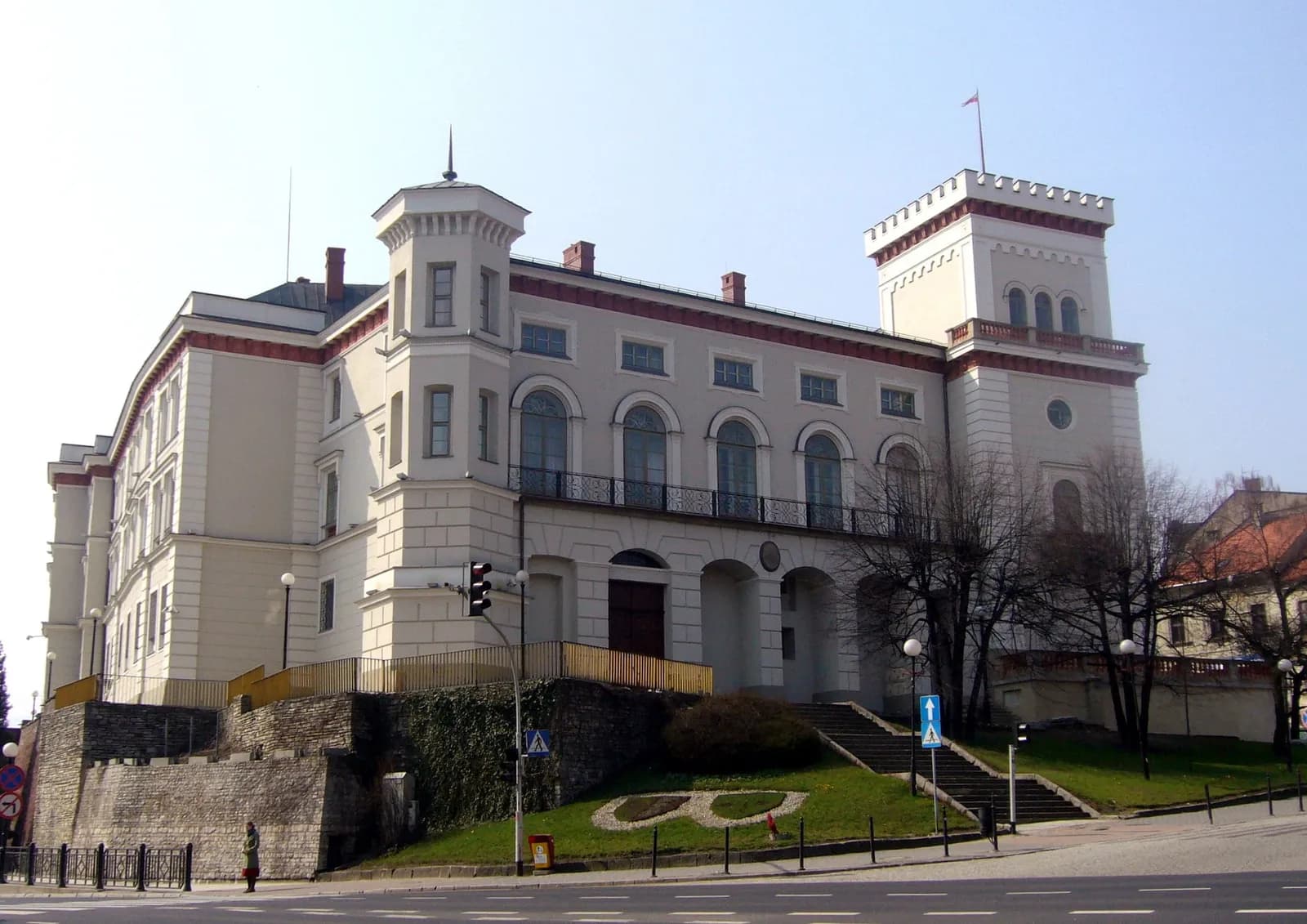
In some versions of the story, a noble court occupied the settlement, governing nearby villages before disappearing due to war or political upheaval. Others describe a fortified residence abandoned when power shifted towards what would eventually become Bielsko Castle.
Archaeologists have confirmed that wooden buildings once stood within the enclosure, but there is no evidence of a grand princely palace. Instead, the remains imply a busy working settlement where blacksmiths, potters and other craftspeople lived alongside farming families.
Even so, the legend captures an important truth. Grodzisko was clearly a place of significance during the Middle Ages, serving a thriving community long before the modern city developed around it.
Tales of Buried Treasure
No ancient hillfort would be complete without rumours of hidden treasure, and Grodzisko is no exception.
Local folklore speaks of chests filled with gold and valuables buried beneath the ramparts. Some versions claim the treasure only reveals itself at midnight, while others insist mysterious lights appear above the ground to mark its location.
Stories such as these are common throughout Central Europe. They added an air of mystery to abandoned places and may even have discouraged curious villagers from disturbing ancient sites.
Despite occasional speculation over the years, archaeologists have uncovered no evidence of buried riches. The real treasure has proved to be the artefacts themselves, which have helped historians reconstruct everyday life in medieval Stare Bielsko.
The Tunnel That Never Was
Another familiar piece of local folklore concerns an underground passage hidden beneath the hill.
Depending on who tells the story, the tunnel is said to lead to the Church of St Stanislaus in Stare Bielsko, to Bielsko Castle or even to distant defensive positions in the surrounding hills. Such secret passages supposedly allowed inhabitants to escape during sieges or move unseen between important sites.
Legends of hidden tunnels appear throughout Poland and much of Europe. Castles, monasteries and medieval fortifications are often linked by imaginary underground networks that have never been found.
Extensive archaeological work at the Grodzisko has revealed no evidence that such a passage existed, yet the story continues to spark curiosity among visitors exploring the woodland today.
Curses, Giants, and Sleeping Warriors
As knowledge of the settlement's real history faded, more imaginative explanations emerged.
Some stories claim the inhabitants abandoned the Grodzisko after a terrible curse fell upon the community, perhaps as punishment for greed or pride. Others suggest an unexplained catastrophe forced everyone to flee, leaving the settlement to be reclaimed by nature.
There are also tales that giants built the enormous earth ramparts in a single night, carrying baskets of soil before vanishing with the sunrise. Similar stories appear throughout Slavic folklore, where unusual landscapes were attributed to supernatural beings rather than ordinary people.
A less common tradition tells of warriors sleeping beneath the hill, waiting to return should the land ever face danger again. While this story has parallels in legends across Europe, it has occasionally found a home among the folklore surrounding the Grodzisko, adding another layer to its mysterious reputation.
Where Folklore Meets Archaeology
Although none of these legends can be confirmed as historical fact, they remain an important part of Grodzisko's identity.
Archaeology has shown that the settlement was an active centre of industry and agriculture between the 12th and late 14th centuries. Skilled metalworkers, potters and craftspeople lived within its defensive earthworks before the site was eventually destroyed and abandoned, most likely following a destructive fire.
The legends tell a different story. They reveal how local communities tried to understand an ancient monument whose original purpose had long been forgotten. In many ways, these tales are as much a part of the site's heritage as the surviving earth ramparts themselves.
For anyone visiting the Grodzisko today, it is worth remembering that the quiet woodland contains two histories. One has been uncovered through excavation and careful research. The other has been passed from generation to generation through fireside stories, village conversations and local tradition.
Together they transform the Grodzisko from an archaeological monument into one of Bielsko-Biała's most intriguing places, where history and imagination continue to share the same ground.
image credit: Urząd Miasta Bielsko-Biała / Silar, CC BY-SA 4.0