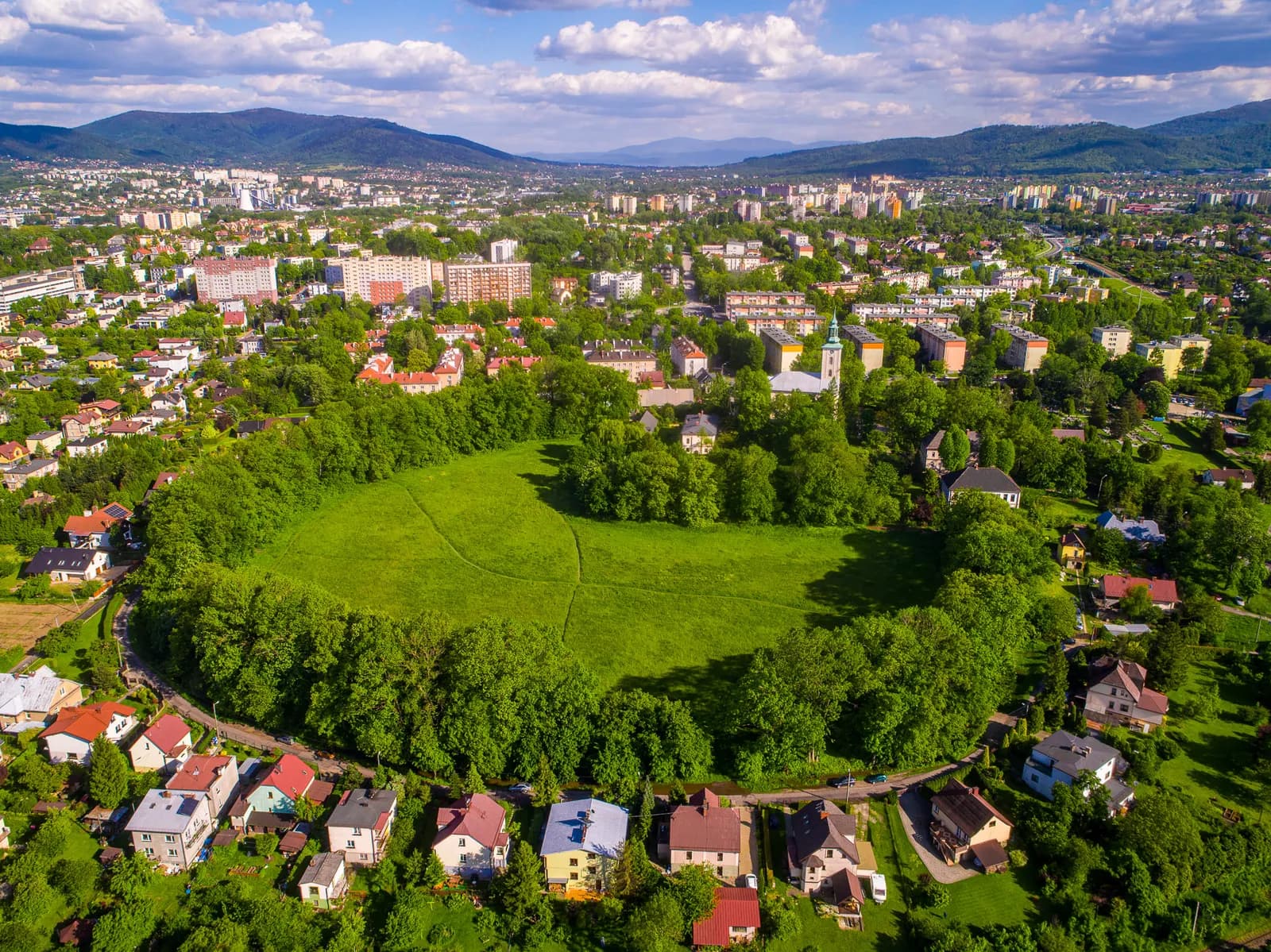
Nestled at the foot of the Beskid Mountains, Bielsko-Biała is one of Poland's most characterful cities. Known for its elegant architecture, rich industrial heritage and easy access to some of southern Poland's finest hiking trails, it combines urban sophistication with spectacular natural surroundings.
Often referred to as "Little Vienna", Bielsko-Biała offers visitors a unique blend of history, culture and outdoor adventure. While many travellers head straight for Kraków, Wrocław or Zakopane, those who spend time exploring Bielsko-Biała quickly discover a city with a fascinating story of its own.
Here are 15 interesting facts that show why Bielsko-Biała deserves a place on every traveller's itinerary.
1. It Was Once Two Separate Cities
The modern city is relatively young, but its history stretches back centuries. Until 1951, Bielsko and Biała were two independent towns separated by the Biała River. Although they developed side by side, they belonged to different historical regions and followed different administrative paths before officially merging into the city we know today.
Even now, traces of this shared history can still be seen in the character of different neighbourhoods and in the city's civic identity.
2. A River Once Divided Two Historic Regions
The Biała River was far more than a geographical feature. For centuries, it marked the boundary between Cieszyn Silesia and Lesser Poland, and at various points in history, it also formed a frontier between different kingdoms and empires.
Standing beside the river today, it is remarkable to think that this peaceful waterway once separated distinct legal systems, administrations and cultures.
3. It Earned the Nickname "Little Vienna"
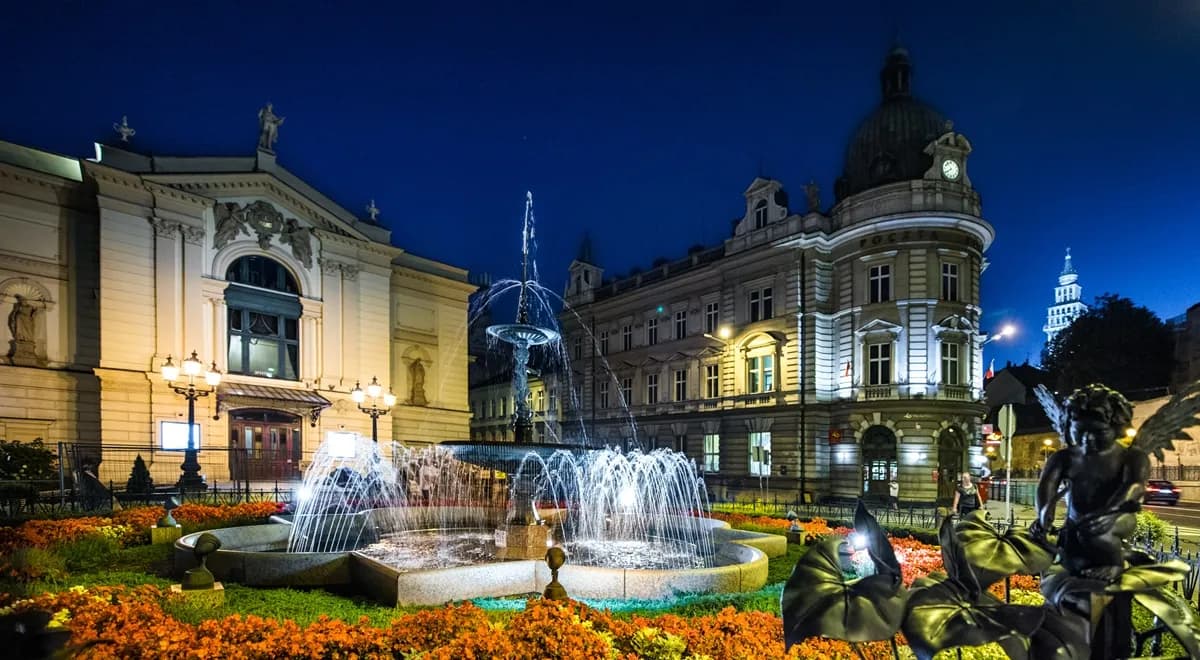
One of the first things visitors notice is the city's elegant appearance.
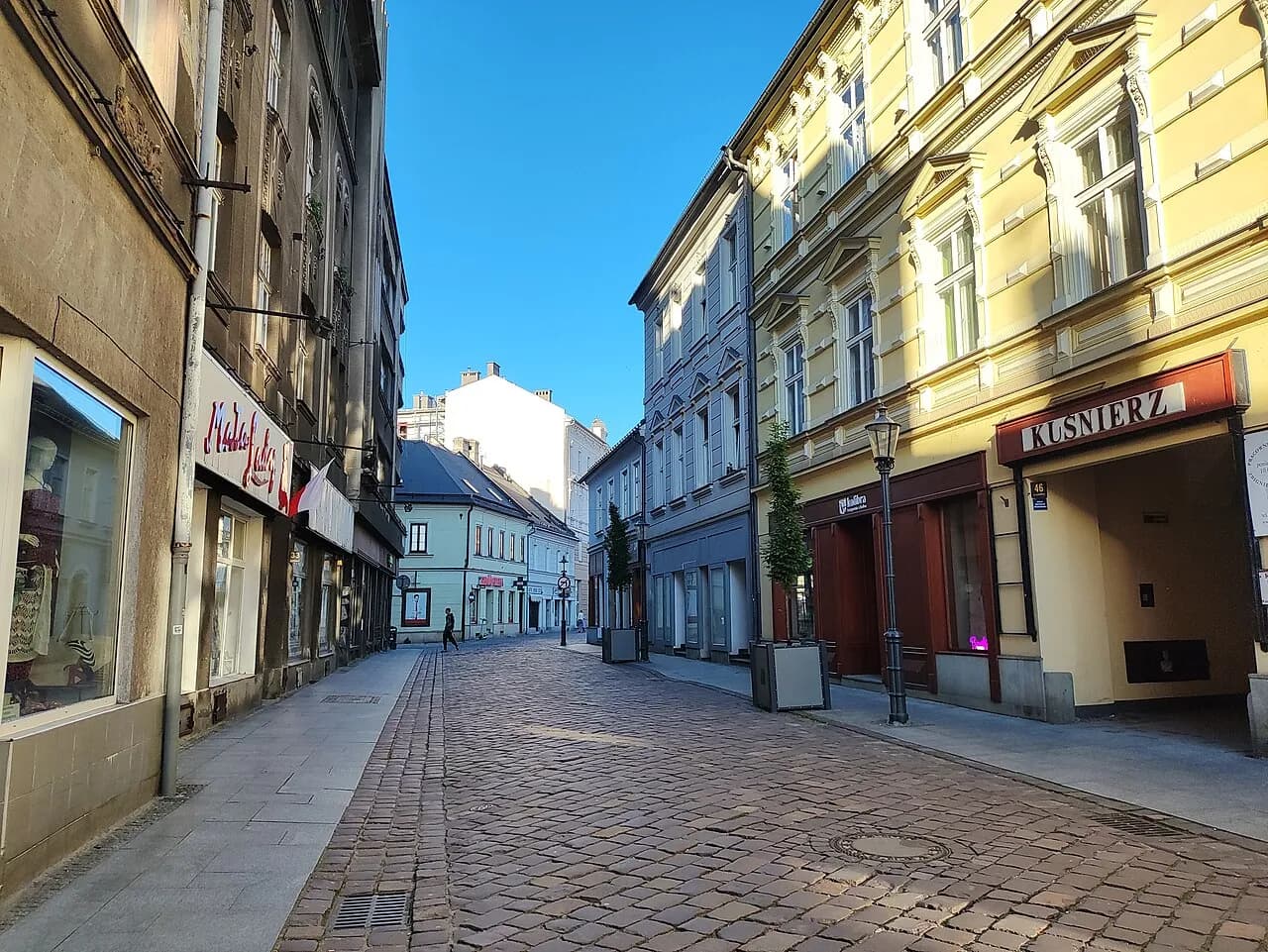
Grand townhouses, decorative façades, Art Nouveau buildings and impressive civic architecture have earned Bielsko-Biała the affectionate nickname "Mały Wiedeń", or Little Vienna.
During the Austro-Hungarian period, prosperity brought ambitious building projects that transformed the city into one of the region's architectural gems. Today, a stroll through the centre offers countless reminders of that flourishing era.
4. It Became One of Poland's Textile Powerhouses
Long before modern manufacturing arrived, Bielsko-Biała had already established itself as one of Poland's leading textile centres.
The city became renowned for producing high-quality woollen fabrics that were exported across Europe. Its thriving mills brought wealth, attracted skilled workers and helped shape the elegant urban landscape that survives today.
This industrial success laid the foundations for much of the city's later development.
5. Millions of Fiat 126p Cars Were Built Here
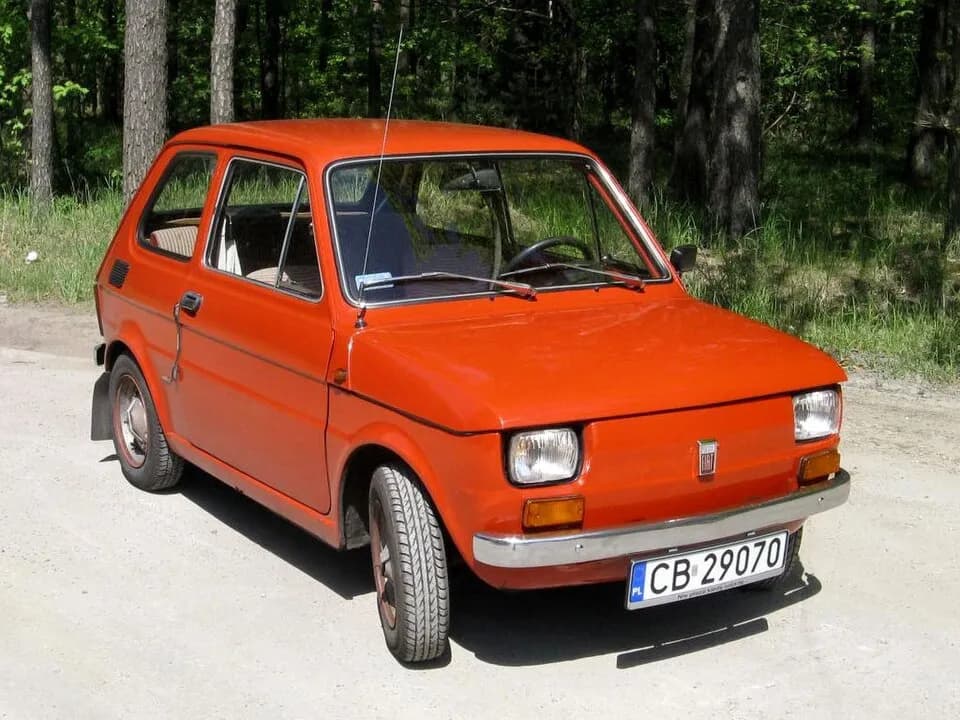
For many Poles, Bielsko-Biała is forever associated with the iconic Fiat 126p, affectionately known as the Maluch (The Little One).
Produced locally for decades, this compact car became one of the defining symbols of everyday life during the communist era. It introduced countless families to car ownership and remains a nostalgic favourite among collectors today.
The city's manufacturing heritage continues to play an important role in the regional economy.
6. Beloved Cartoon Characters Were Born Here
Bielsko-Biała has also left its mark on Polish popular culture.
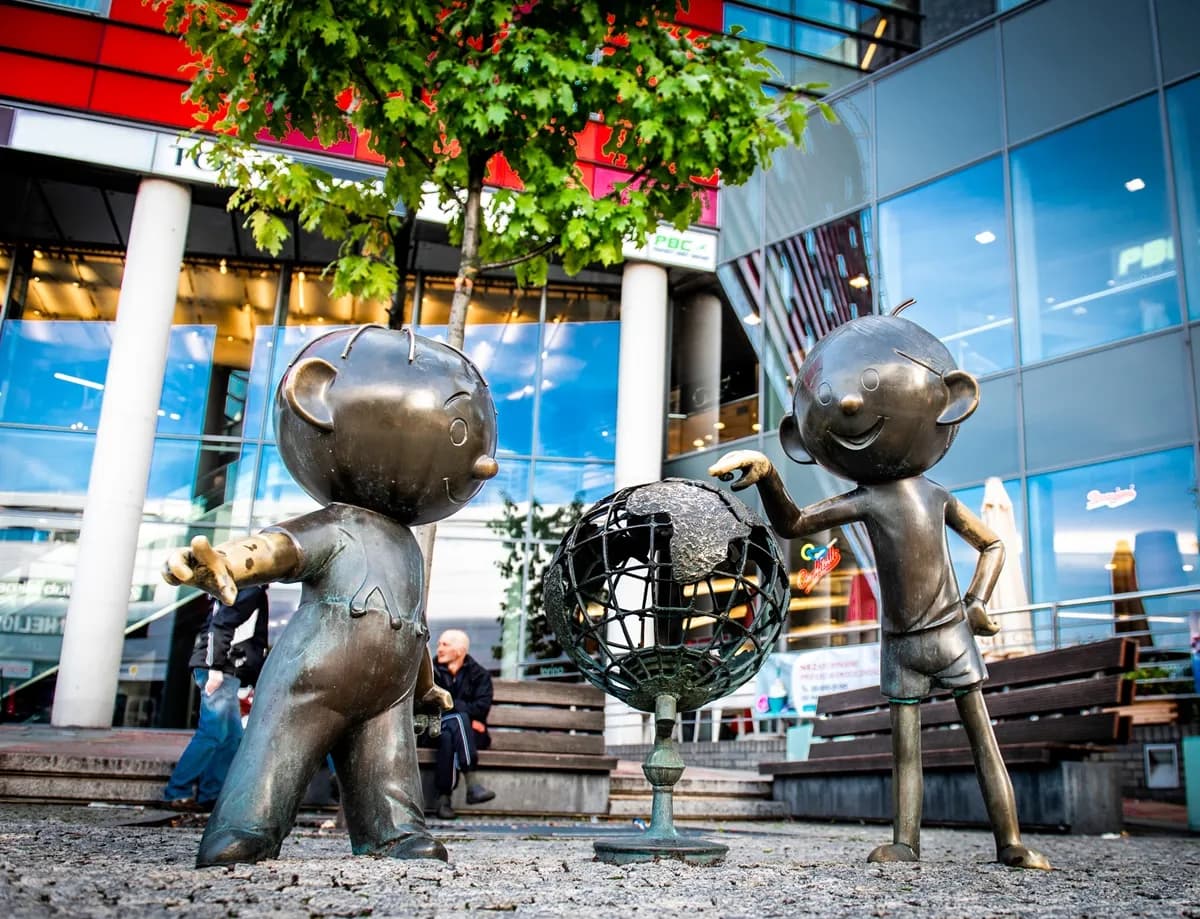
The city's renowned animation studio created several generations of beloved characters, including Bolek i Lolek, Reksio and Baltazar Gąbka.
Visitors exploring the city centre will even find sculptures celebrating these animated icons, making them popular stops for families and nostalgic adults alike.
7. The Mountains Are Just Minutes Away
Unlike many historic cities, Bielsko-Biała offers immediate access to mountain landscapes.
The Szyndzielnia Cable Car transports visitors into the Beskids within minutes, where hiking trails, cycling routes and mountain refuges await throughout the year.
In winter, nearby ski slopes add another dimension to the city's appeal, making it a genuine four-season destination.
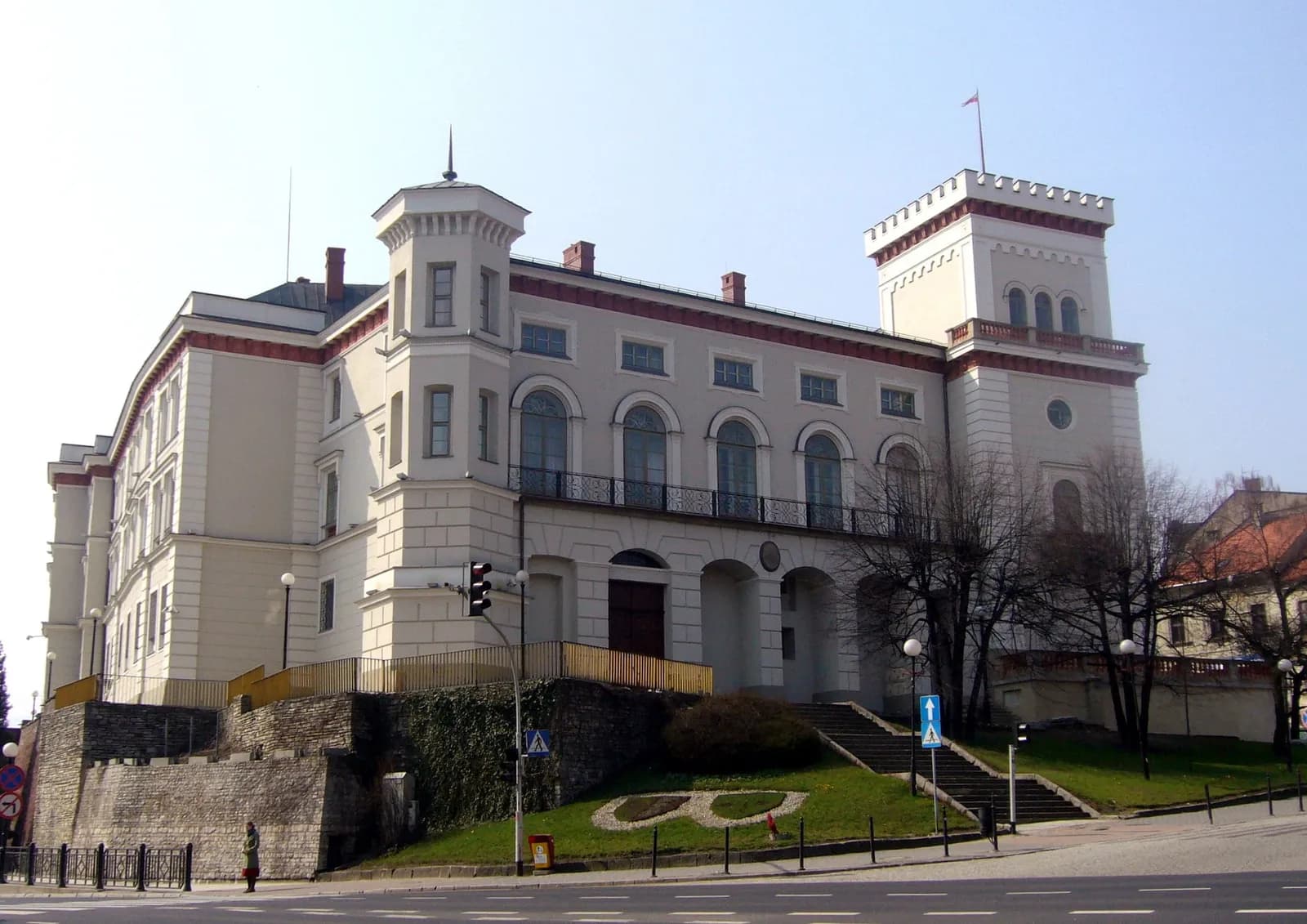
8. A Medieval Castle Still Watches Over the City
Standing proudly above the historic centre, the Sułkowski Castle has been part of Bielsko's skyline for centuries.
Originally built as a defensive fortress, it later became a noble residence before evolving into the museum that welcomes visitors today.
Its impressive architecture provides a tangible connection to the city's medieval origins.
9. Its Coat of Arms Tells a Story
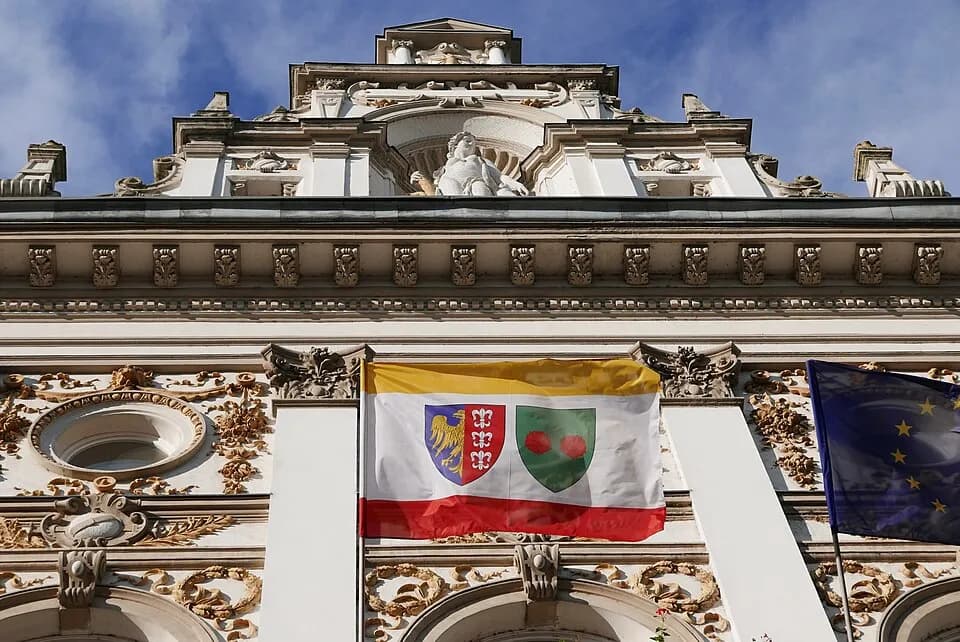
Rather than adopting an entirely new identity after the merger, Bielsko-Biała chose to celebrate its shared heritage.
The city's coat of arms combines symbols from both former towns, reflecting the partnership that created the modern municipality.
It serves as a reminder that today's Bielsko-Biała is built upon two distinct historical traditions.
10. It Is a Gateway to Central Europe
Situated in southern Poland, Bielsko-Biała enjoys an enviable location.
The Czech Republic and Slovakia are both within easy reach, while Austria can be reached by road in just a few hours.
For centuries, this strategic position encouraged trade, cultural exchange and economic growth.
11. A Multicultural Heritage Shaped the City
Throughout its history, Bielsko-Biała has been home to Polish, German, Jewish, Czech and Austrian communities.
Their influence can still be seen in the city's architecture, religious buildings and cultural traditions, giving Bielsko-Biała a distinctive identity unlike many other Polish cities.
Understanding this multicultural past adds depth to any visit.
12. Nature Is Never Far Away
Although it has a proud industrial history, Bielsko-Biała is also one of Poland's greenest urban areas.
Parks, forests and mountain landscapes surround the city, allowing residents and visitors to enjoy outdoor activities without travelling long distances.
It is entirely possible to spend the morning exploring historic streets before enjoying an afternoon hike with panoramic mountain views.
13. History Lives Along the River
The Biała River remains one of the city's defining landmarks.
While modern bridges now connect both sides seamlessly, the river continues to symbolise the historical boundary that influenced local politics, commerce and everyday life for hundreds of years.
Few cities have been shaped so profoundly by such a modest waterway.
14. It Is a Haven for Outdoor Enthusiasts
The surrounding Beskid Mountains provide excellent opportunities for walking, cycling and winter sports.
Popular destinations include Szyndzielnia, Klimczok, Dębowiec and Magurka Wilkowicka, all of which attract outdoor enthusiasts throughout the year.
This combination of city comforts and immediate access to nature is one of Bielsko-Biała's greatest strengths.
15. Its Elegant Streets Continue to Inspire Filmmakers
Thanks to its beautifully preserved architecture, Bielsko-Biała has served as the backdrop for numerous Polish film and television productions.
Its broad avenues, historic façades and timeless atmosphere allow directors to recreate different historical periods with remarkable authenticity.
Visitors often find themselves recognising locations from classic Polish cinema.
Why Bielsko-Biała Deserves More Attention
Bielsko-Biała may not always feature on international travel itineraries, but that is part of its charm.
Its unique blend of Austro-Hungarian elegance, industrial heritage, creative culture and mountain scenery creates an experience unlike anywhere else in Poland. Whether you are admiring beautifully preserved architecture, discovering the stories behind famous cartoons, riding the cable car into the Beskids or simply enjoying a coffee in the historic centre, the city rewards visitors who take the time to explore beyond the obvious.
As southern Poland continues to grow in popularity, Bielsko-Biała stands out as a destination that successfully balances history, culture, business and outdoor living. It is a city proud of its past while embracing its future, making it well worth discovering for first-time visitors and returning travellers alike.